The Israeli Film Council has called for film festivals to be eliminated from a points system used to set film fund budgets in the wake of the Venice Film Festival’s selection of bombshell documentary Naza exposing Israel’s deliberate targeting of civilian targets in Gaza.
At the same time, it has also recommended a new state backed funding strand for films celebrating the “heroism” of Israeli soldiers.
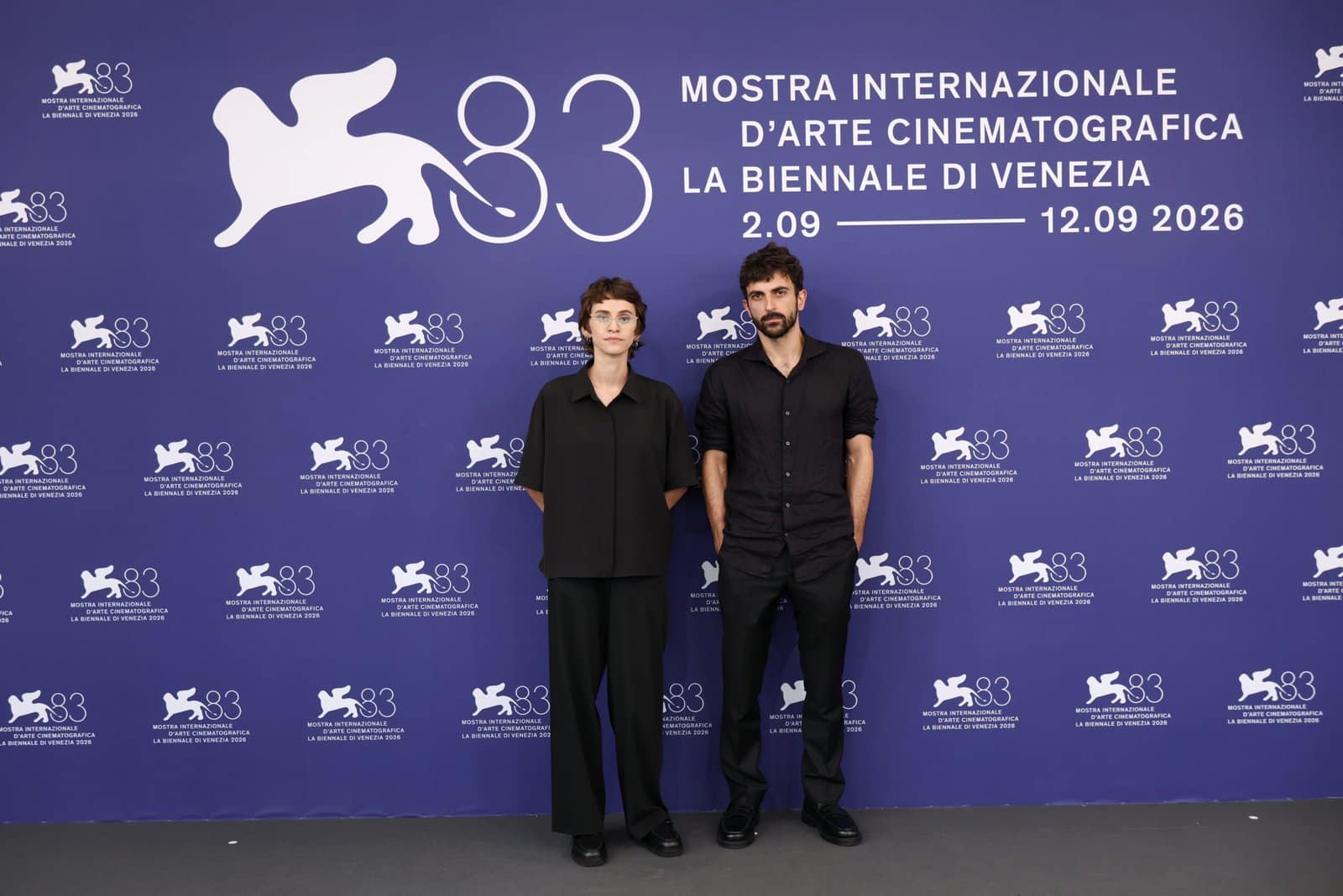
The body, which advises the Israeli Ministry of Culture film policy, made the recommendations following an emergency meeting called in the wake of the Naza world premiere in Venice last week where it garnered a 25-minute ovation and won the Special Jury Prize.
The incendiary documentary, revolving around the testimony of 24 Israeli intelligence officers and soldiers which have since been challenged by the Israeli army, has prompted a political firestorm in Israel.
Watch on Deadline
Prime Minister Benjamin Netanyahu has threatened to strip Israeli co-directors Yuval Abraham and Rachel Szor of their citizenship, while prominent filmmakers Ari Folman, Shlomi Elkabetz, Ran Tal and Michal Aviad have signed a petition expressing their solidarity for the pair.
In a note forwarded to Deadline by an Israeli producer, the Israeli Film Council explained the motivations for its recommendations.
“The move is meant to counter the smear and defamation campaigns being waged against Israel worldwide, while also strengthening films that reflect Israeli life and the memory of fallen soldiers’ heroism,” it wrote.
It said the recommended new funding strand would support films “centered on the heroism of IDF soldiers and veterans of Israel’s wars who fought to secure the state’s existence, in keeping with the spirit of Israel’s Memorial Day Law for Fallen Soldiers.”
The removal of film festivals as one of the criteria deciding film fund budgets will likely further isolate the Israeli cinema industry.
The industry’s international standing has plummeted in the wake of Israel’s military operation in Gaza, which was in turn triggered by Hamas attacks of October 7, 2023. It is a shadow of its former self, battered by boycotts on one side, and pressure from Netanyahu’s nationalist, rightwing government on the other.
Under Israel’s complex state film funding system, the budget for cinema, which currently comes in at around 130m Israeli Shekels ($42m), is divided between six funds.
They comprise the country’s oldest film fund, Israel Film Fund, which has recently supported films such as Sundance-selected Oscar entry Tell Me Everything; Berlinale 2026 title Where To? by Assaf Machnes and Nadav Lapid’s Yes!, a satire critiquing Israeli society in the wake of October 7 and the Gaza military campaign, which was considered to hot to handle for Cannes’s Official Selection and played in Directors’ Fortnight instead in 2025.
They are joined by more recently created entitles The New Fund for Cinema & Television; The Makor Foundation for Israeli Film and Television; The Jerusalem Film & Television Fund, and The Yehoshua Rabinovich Foundation for the Arts and the Gesher Multicultural Film Fund.
The funds put in tenders for state finance, with their eventual award decided on a points system assessing their recent performance in which the number of A-list festival selections for the films they have backed has traditionally been one of the criteria.
“The funds are competing between themselves for the funds from the Israeli Film Council, and one of the things contributing to their final grade is if they have A-list festival films,” explained the Israeli producer.
“It was an important criterion but it’s not about the films but rather the motivations of the funds. When funds decide to support a film, one of the things that they consider is whether a director is known or not, say like Ari Folman. The likelihood of his films going to an A-list festival is one of the things that might convince the fund to invest. It’s not the only thing, of course, but it is an important factor along elements like the screenplay, budget,” they said.
The producer continued that the Israeli Film Council statement was on one level “empty rhetoric” because Naza was not financed with any Israeli state money, or support from local broadcasters.
It was produced instead by Guardian Documentaries with JW Films in association with Placeholder Films and Unseen Hand.
“Naza was not funded by Israeli funds or Israeli television, for sure,” they said. “They didn’t approach them, they didn’t apply. “That’s why these recommendations are so funny. Firstly, they want to take away the film festival marks… and then they want to glamorize the IDF. This is really like North Korea. It’s more funny than sad… it idiotic.”
In the backdrop, Prime Minister Benjamin Netanyahu announced on Wednesday that he is fast-tracking two bills through parliament in response to Naza, the first revoking the citizenship of anyone who “defames Israeli soldiers”, and the second ratcheting up potential damages payments in successful defamation cases against bodies or individuals maligning the Israeli military.
Netanyahu’s threat to revoke Abraham and Szor’s citizenship follows in the wake of a similar threat by Culture and Sports Minister Miki Zohar, even though he has no legal power to set in motion such a move.
If Abraham and Szor, who are both Jewish and born in Israel, were to be stripped of their Israeli citizenship it would unprecedented.
While Palestinians with Israeli citizenship have been stripped of citizenship and deported to the West Bank or Gaza, no Jewish Israeli citizen has ever had their citizenship revoked.
In the late 1990s, there were calls for the citizenship of Yigal Amir, who assassinated former Prime Minister Yitzhak Rabin in 1995, to be removed. The Supreme Court refused the request.
Alongside the political threats, Abraham and Szor have received multiple death threats, with far-right Israeli activists gathering outside the home of the latter’s parents chantings slogans such “death penalty for traitors”.
The Brussels-based Committee to Protect Journalists (CPJ) has condemned the attacks and suggested the government rhetoric is putting the filmmakers’ live in danger.
“Israeli authorities must ensure the safety of Yuval Abraham and Rachel Szor and immediately reject any attempt to use citizenship rights as a weapon against journalists,” it said in a statement this week.
“Threats from senior government officials can have a chilling effect on journalists and encourage members of the public to engage in intimidation and silencing against them. These threats cannot be dismissed as political rhetoric. They are a warning to journalists and sources about the potential consequences of reporting critically on powerful institutions—and a dangerous signal to other journalists considering whether to investigate or expose alleged wrongdoing.”
