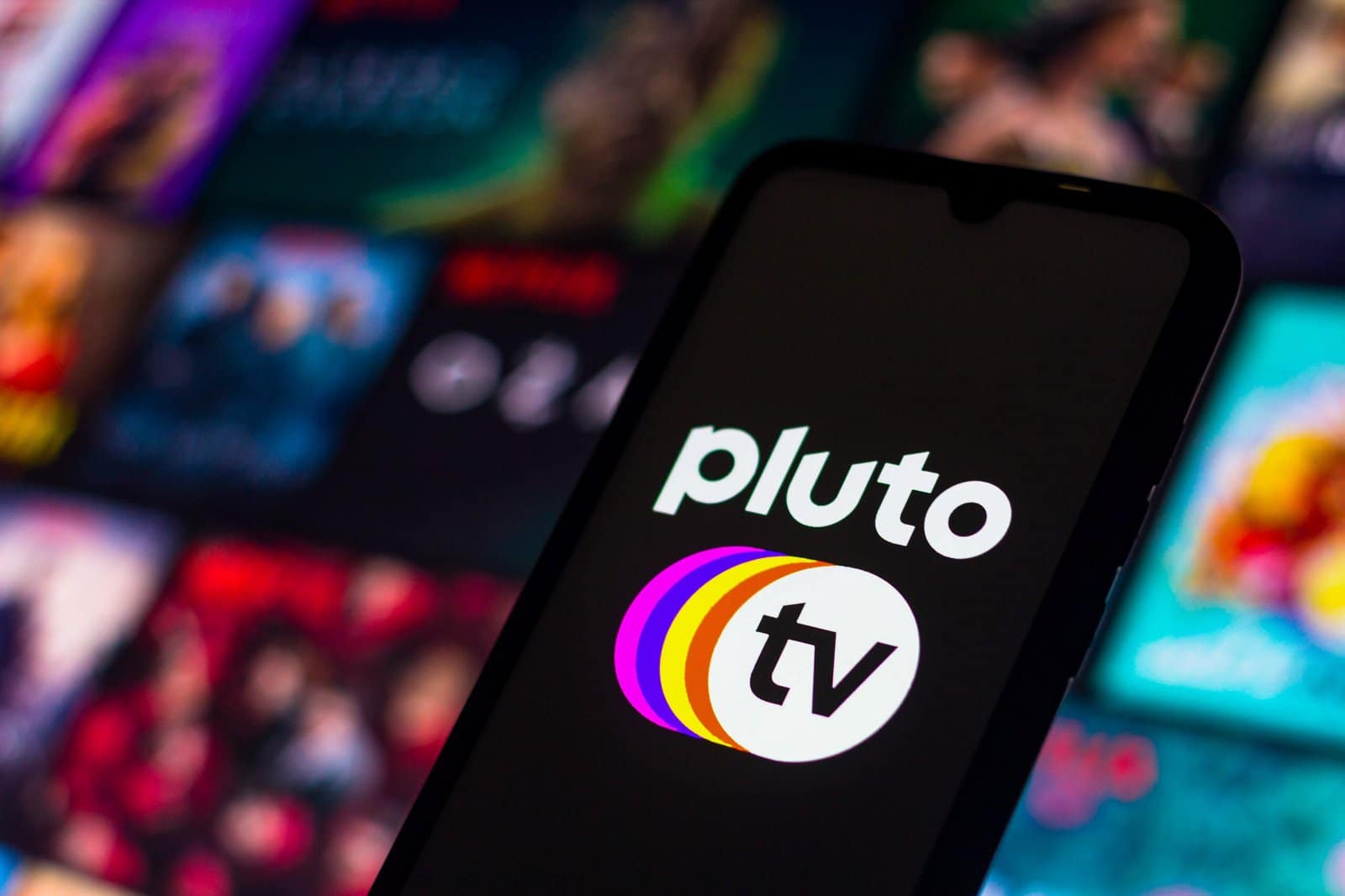
Here is a concession noone really asked for — the settlement of state attorneys generals’ anti-trust lawsuit over the proposed Paramount-Warner Bros. Discovery merger includes a provision ensuring that Paramount will keep Pluto TV or another free, ad-supported streaming service for the next five years.
While Pluto TV is protected, the settlement spells out which cable brands Paramount will have to divest if fails to keep carriage negotiations for the Paramount and Warner Bros. basic cable networks at arm’s length. The list includes two Par nets that already had been put on the block twice, BET (and its various sub-channels) and VH1, as well as Comedy Central, with the company’s flagships MTV and Nickelodeon out of danger.
Overall, television feels a little like an afterthought in the settlement, illustrated by California AG Rob Bonta’s opening remarks at his Monday morning press conference. He spent more than six minutes laying out the agreed-upon terms for film production and had only two lines about TV, one about the establishment of “a news editorial independence board to support CBS News’s and CNN’s continued editorial independence” and one that “Paramount and Warner Brothers are required to continue negotiating their cable packages separately.”
Watch on Deadline
With state AGs’ action focused on protecting jobs, there is nothing in the agreement that would prevent Paramount from combining some of its post-merger TV studios — Warner Bros. Television, Paramount TV Studios and CBS Studios — that will result in layoffs. Or any guidelines on the number of positions that will inevitably be cut when Paramount merges Paramount+ with HBO Max as the company had said.
Movies and basic cable were the focus of AGs’ legal battle because those were the areas where there were strong anti-trust concerns. (The combined HBO Max-Paramount+ would become a major SVOD player but will not have dominance in the space.)
Still, the complete omission of the TV (or film) studios is surprising as is the lack of mention of Paramount’s pay cable network , which, like the basic cable nets, negotiates carriage agreements. That would allow Paramount to bundle it together with WBD‘s market leader HBO in dealings with operators.
Emphasizing that, the settlement’s statement about separate negotiations for Paramount and WBD’s basic cable channels carries the following disclaimer: “For the avoidance of doubt, this paragraph does not apply to other Combined Entity offerings (e.g., premium cable channels, streaming services, or broadcast)”
The omissions are especially glaring given the attention Pluto TV got despite it not being considered in real danger and it having no counterpart on the WBD side.
Over the past year, Paramount’s leadership has been bullish about Pluto TV, vowing to invest in the AVOD platform and grow it, which they have done in the form of a slew of library content acquisitions and making Pluto part of the company’s backend tech stack convergence alongside Paramount+ – a complex, lengthy process which has largely been completed.
Long before the Ellisons arrived on the scene, Pluto’s star had started fading as rivals Tubi and Roku became more popular. Pluto, although it had been a pioneer of FAST when it was founded in 2014, fell back in the market-share race. Its co-founder, Tom Ryan, and other core staffers exited the company.
Even so, the new regime has expressed optimism about ailing the potential of Pluto, which had been largely neglected for the previous couple of years.
“I am a big believer in the FAST space,” Paramount Chairman and CEO David Ellison said on the company’s Q4 2025 earnings call. Pluto TV was talked up to advertisers at the Paramount upfront presentation in May as a key piece of the company’s ad strategy, with upgrades ongoing and more underway.
Most recently, Paramount noted that “Paramount+ and Pluto TV remain at the center of how audiences discover and engage with our programming as we build an entertainment platform for the future” in its Q2 2026 letter to investors, with the company’s executives saying on the earnings call that “we do expect that Pluto to return to growth in back half of the year.”
According to the settlement with the 12 state AGs, “Paramount and Warner Brothers are required to continue negotiating their cable packages separately — a negotiate separately condition, preserving the competition that exists between them today,” Bonta said Monday, adding, “It will mimic them being separate companies, even post-merger.”
As to how that separation will be ensured, the statement is a vague, noting that there will be a “monitor” and a “state committee” that would assess any complaints.
If Paramount is caught in a “material violation,” following a six-month cure period where the company can “come into compliance,” they will have to sell one or more of the following linear networks: BET (Black Entertainment Television, including BET, BET Gospel, BET Her, BET Hip-Hop, BET Jams, and BET Soul), VH1, Comedy Central, Smithsonian, Destination America, and Science.
After Skydance’s acquisition of Paramount, the company’s new leadership has shared their intention to revitalize legacy cable brands such as MTV, Nickelodeon, Comedy Central and BET. The inclusion of two of the four on the potential divesture list is somewhat surprising but Paramount still has kept crown jewels MTV and Nickelodeon out of reach.
Additionally, the company already has Comedy Central’s biggest program, South Park, locked into a Paramount+ streaming deal for the foreseeable future and just folded BET+ into Paramount+.
The rest of the channels on the list are very small and, amid linear ratings declines, Paramount likely won’t mind divesting them anyway.
Dade Hayes contributed to this report.
