YouTube has a message for the television industry: We are a friend, not a foe.
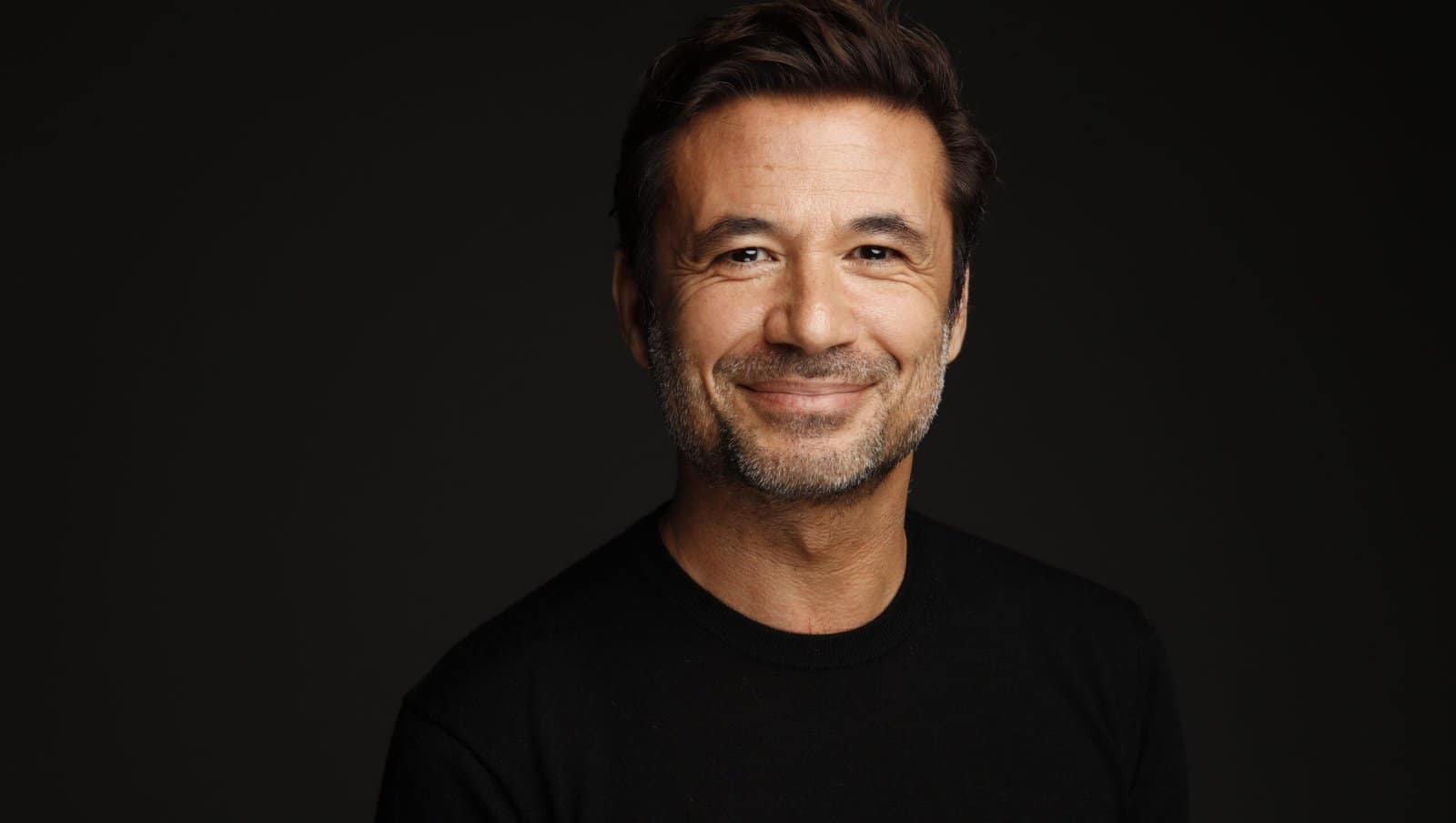
In a set-piece speech at the Edinburgh TV Festival on Wednesday, Pedro Pina, YouTube’s vice president in EMEA, said the video-sharing platform is not a “villain” for the traditional broadcasting business.
Pina also took aim at the UK government’s plan to introduce new laws compelling YouTube and TikTok to promote public service content. He called the proposals “forced prominence” that would “impair the public interest” and damage the livelihoods of content creators.
Delivering the James MacTaggart Memorial Lecture, one of the biggest speeches in the UK industry calendar, the YouTube executive said: “A story is unfolding before our eyes. It is not a tragedy. And, as I hope I have shown you tonight, YouTube is not the villain.
Watch on Deadline
“The thing about a tragedy, as Aristotle taught us, is that the tragic hero is responsible for his own downfall. It is never an evil villain that seals the hero’s fate. It is hubris: it’s pride. For this country’s great television institutions, changing audience habits are an opportunity, not a threat. The question now is whether we will seize that opportunity.”
Pina, who has worked at YouTube for the past five years and is a British citizen, acknowledged that YouTube users are now consuming the service through the television (Oxford Economics found 87% of Brits watch YouTube on their TV devices), but he insisted that this was “complementary” to broadcasters like the BBC and Channel 4.
Recounting the evolution of art, from sculpture to photography, Pina explained: “If we take a long view of human culture, we find no reason to assume that online video will supersede television as a form.”
Not all TV executives see it this way, not least because YouTube is upending the natural order of UK television viewing, overtaking the BBC on a key measurement of audience reach last year, according to an analysis by Deadline.
Pina spent much of his 17-page speech playing the role of a hype man for British television, extolling the virtues of hits including The Traitors (a favorite topic of discussion around watercoolers in the Google office), Gavin & Stacey, and The Great British Bake Off.
“How ironic that during a time when so many say British TV is dying, we have seen some of the best British TV shows of all time. Shows which create cultural conversations on a scale most online creators can only dream of,” he said.
Rather than being threatened by YouTube, Pina argued that we are on the cusp of a “third golden age of television.” Warming to his theme, he argued that TV has an “unmatched power” to bring viewers together and said broadcasters/streamers have “institutional heft” that allows them to create hits like The Crown. He added that curated schedules encourage “sharp writing and economical storytelling.”
Pina also couldn’t resist pointing out that TV companies are pinching YouTube talent. “For the most part, the creator ecosystem used to sit in parallel to traditional media. But about a decade ago, TV producers spotted an opportunity. They saw that YouTube was effectively a database of up-and-coming talent, and lo and behold, TV started to poach big creators and shows,” he explained.

Getty Images
At the same time, the BBC is leaning into YouTube to reach younger audiences, as well as stream its news service outside of the UK. This union was cemented by the BBC hiring former Google executive Matt Brittin as its director general.
“Partnerships like this really are the way forward for UK television. They represent a commercial opportunity for producers and broadcasters, and a significant boost to national soft power. And we believe it’s important to protect the UK’s world-famous cultural exports,” Pina said.
In the final part of his speech, he turned to the UK government’s plans to guarantee prominence for public service media on YouTube. Ministers believe this will reflect changing viewing habits, as well as combat the tide of misinformation and disinformation on online services.
Pina said: “I share the concerns expressed about democracy and the public interest. But YouTube is a democracy by definition. A democracy of cultural production. Anyone can find an audience.
“Forced prominence would impair the public interest, by unfairly shifting focus from independent creators and production companies, and by recommending that all our viewers watch the same things, disregarding personal taste.
“If this becomes law, many UK-based creators and production companies will see their livelihoods threatened. UK viewers will have to wade through content they may not want, which in itself could undermine the trust that UK public service broadcasters have built up.
“Forced prominence won’t help anyone succeed — not new independent talent, not viewers, and definitely not public service media. Instead, it would have the unintended consequence of jeopardising the new talent pipeline, by undermining the creator economy, which contributes so much to UK soft power.”
Pina follows in the footsteps of other media luminaries in delivering the MacTaggart lecture, including James and Liz Murdoch, CNN chief Mark Thompson (then at the BBC), and Louis Theroux.
