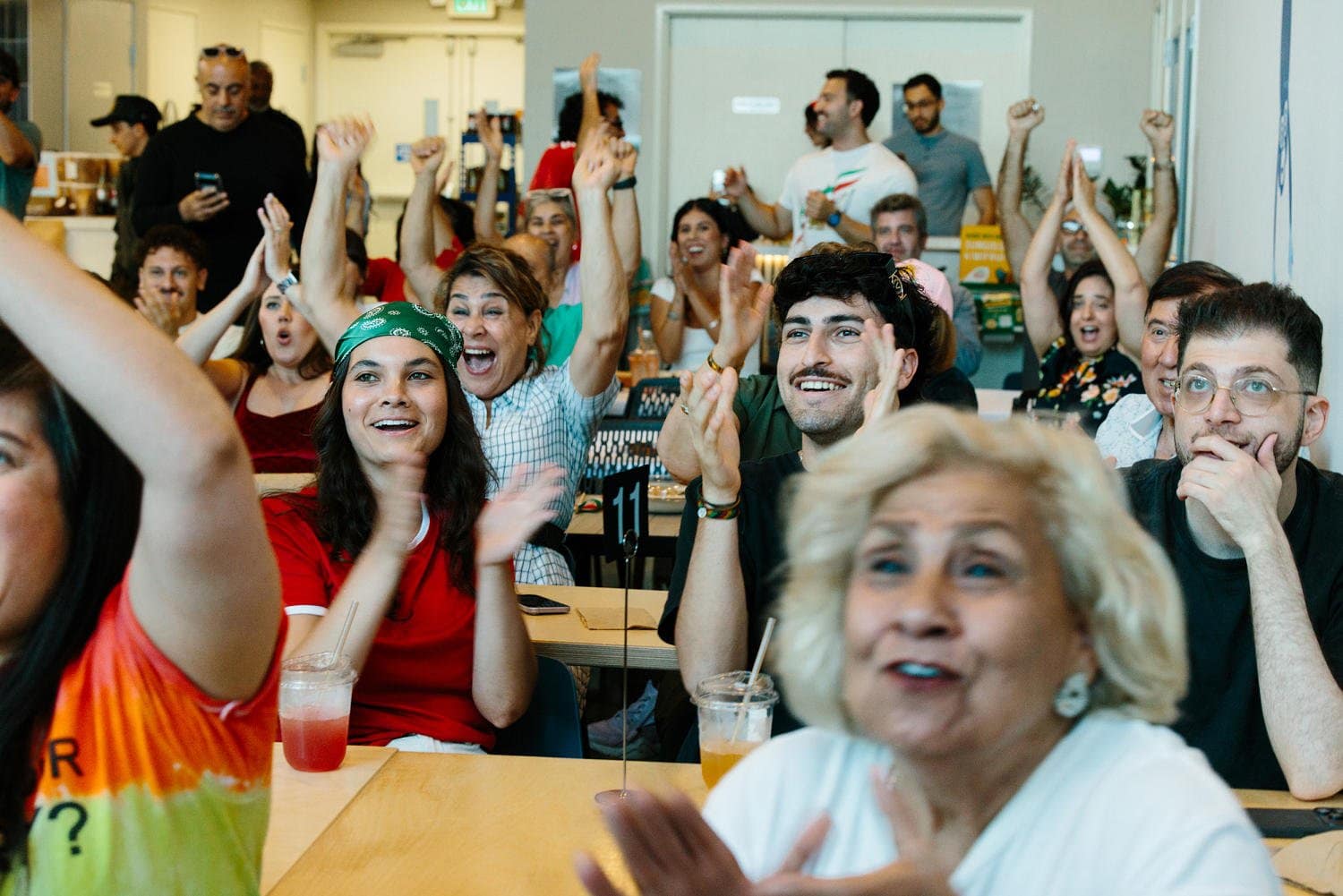
LOS ANGELES — Fans snuck them into the stadium. Demonstrators waved them outside the security gates. And at watch parties around the city, they appeared whenever the “home” team scored.
The lion-and-sun flag is associated with Iran before the 1979 Islamic Revolution. It was seemingly everywhere in this city, home to the largest Iranian diaspora and often referred to as “Tehrangeles,” on Monday as Iran opened its World Cup campaign against New Zealand.
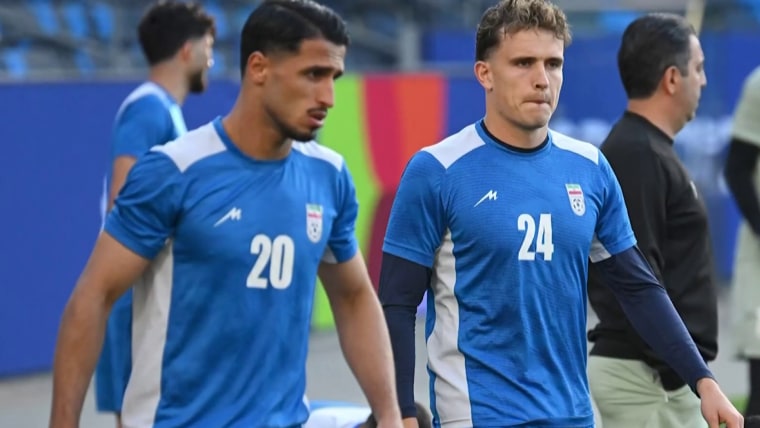
But its meaning varied depending on who was carrying it.
Some told NBC News the flag, which represents the era of the late deposed Shah Mohammed Reza Pahlavi, symbolized solidarity with the Iranian people, who many feel have been isolated by conflict and political turmoil. Others said it represented opposition to Team Melli, Iran’s national soccer team, which they view as an extension of the clerical regime governing the Islamic Republic.
The competing interpretations reflect a question that has long weighed on the Iranian diaspora: Can pride in their country coexist with opposition to its government?
“I think at the moment, people are so confused, people are so angry … and they don’t know whether they support our team or not,” said Helen Kohandel, who draped one of the flags over her shoulders while preparing to enter the stadium Monday, as fans defied a ban on the flag from FIFA that was upheld by a Los Angeles judge Monday.
“Because after all, we know that they need to be supported by the regime, otherwise they can’t play.”
The thrill of the World Cup for the soccer-mad nation and its diaspora comes at a hugely fraught time for Iranians both inside and outside country.
